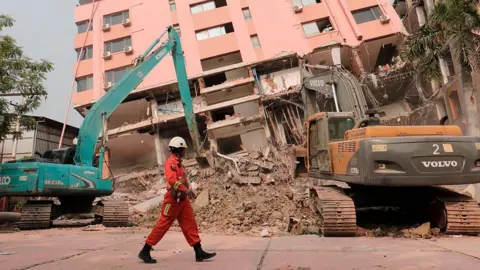
Myanmar’s Ongoing Conflict Amid Earthquake Relief Efforts
Fighting persists in Myanmar even after the military junta and a coalition of rebel groups proclaimed temporary ceasefires aimed at facilitating earthquake relief. Reports from the UN Human Rights office indicate that the military has conducted no fewer than 14 attacks since the ceasefire was announced.
The military has accused two factions within the ceasefire alliance of launching attacks, while one group contended that hostilities erupted as a reaction to military “offensives.” Maj Gen Zaw Min Tun, spokesperson for the military council, issued a statement declaring, “we will respond if military bases are attacked without reason.” An army representative did not reply to inquiries from Today News Affair.
UN Calls for Halt to Military Operations
UN High Commissioner for Human Rights Volker Türk has urged a complete cessation of military operations, emphasizing the need to focus on assisting those affected by the earthquake and ensuring that humanitarian organizations have unimpeded access. This call comes in the wake of the 7.7 magnitude earthquake that struck on March 28.
A civil war has been ongoing since the junta’s takeover in a coup in 2021, pitting the military against ethnic militias and resistance forces. The military council declared a 20-day ceasefire on April 2, shortly after the coalition of three rebel groups had made a similar announcement. According to state media, the official death toll from the earthquake has now reached 3,564, with an additional 5,012 injured and 210 individuals still unaccounted for.
Humanitarian Efforts Hampered by Ongoing Conflict
More than a week following the earthquake, rescue teams have been recovering bodies from the debris of collapsed buildings in Mandalay, as reported by state media over the weekend. Rainfall during this period has raised concerns among aid organizations about potential disruptions to relief operations.
The UN Human Rights office noted that while humanitarian efforts have made progress in areas where access is permitted, “longstanding limitations imposed by the military on humanitarian operations and access” have left many severely affected regions inaccessible to emergency assistance, aside from what local residents can organize.
Urgent Needs in the Aftermath of the Earthquake
UN humanitarian chief Tom Fletcher stated in a video shot in Mandalay that the local populace is in dire need of food, water, and power restoration, and they are also requesting shelter. Aftershocks are still being felt, including a 4.9 magnitude tremor recorded over the weekend, contributing to the ongoing trauma experienced by residents.
Before the earthquake struck, nearly 20 million people were already in urgent need of assistance in this community. Fletcher emphasized, “It’s a compounding crisis. It’s an earthquake layered on top of conflict, on top of significant existing needs.”